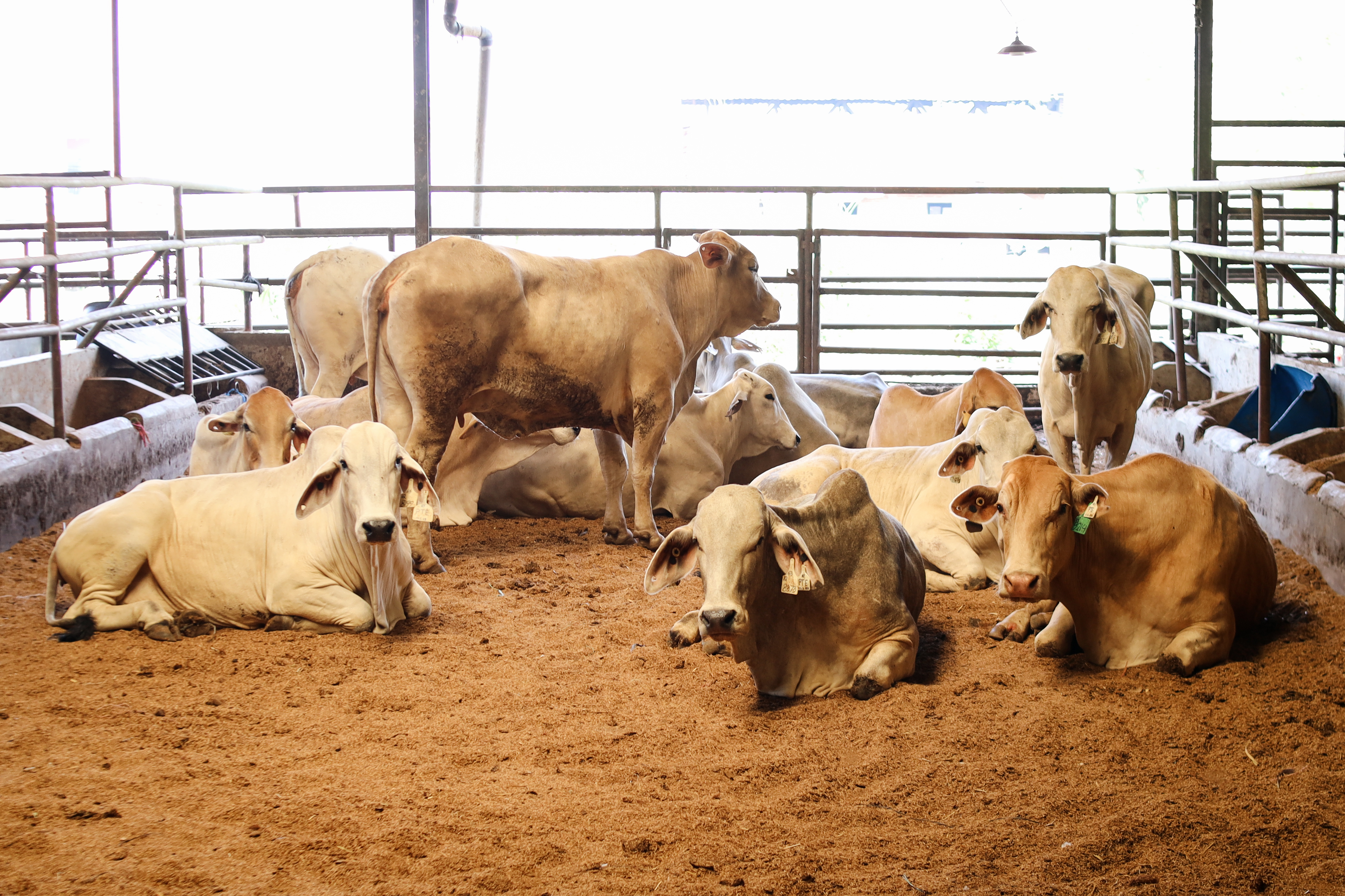
Join us for an immersive half-day excursion showcasing India’s rich agricultural traditions, indigenous livestock heritage, and sustainable dairy practices. This guided experience offers delegates a unique insight into rural animal welfare, sustainable farming, and traditional dairy processing.
Delhi, the capital of India, is a city where the past and present coexist harmoniously. It serves as the political, cultural, and historical hub of the nation. With a legacy that stretches back more than a thousand years, Delhi has witnessed the rise and fall of several empires, leaving behind a fascinating blend of architecture, art, and traditions.
The city is divided into two contrasting worlds — Old Delhi and New Delhi. Old Delhi captivates visitors with its narrow lanes, spice markets, Mughal architecture, and the grand Jama Masjid. In contrast, New Delhi reflects the modern face of India with wide boulevards, colonial-era landmarks like India Gate and Rashtrapati Bhavan, and vibrant urban spaces.
From ancient ruins to cosmopolitan nightlife, Delhi is a city that embodies India’s diversity and dynamism — where every monument tells a story and every street echoes history.
Located on the banks of the River Yamuna, Agra stands as a timeless symbol of romance, history, and architectural brilliance. Once the capital of the Mughal Empire, Agra showcases the grandeur of Mughal art, craftsmanship, and vision through its spectacular monuments.
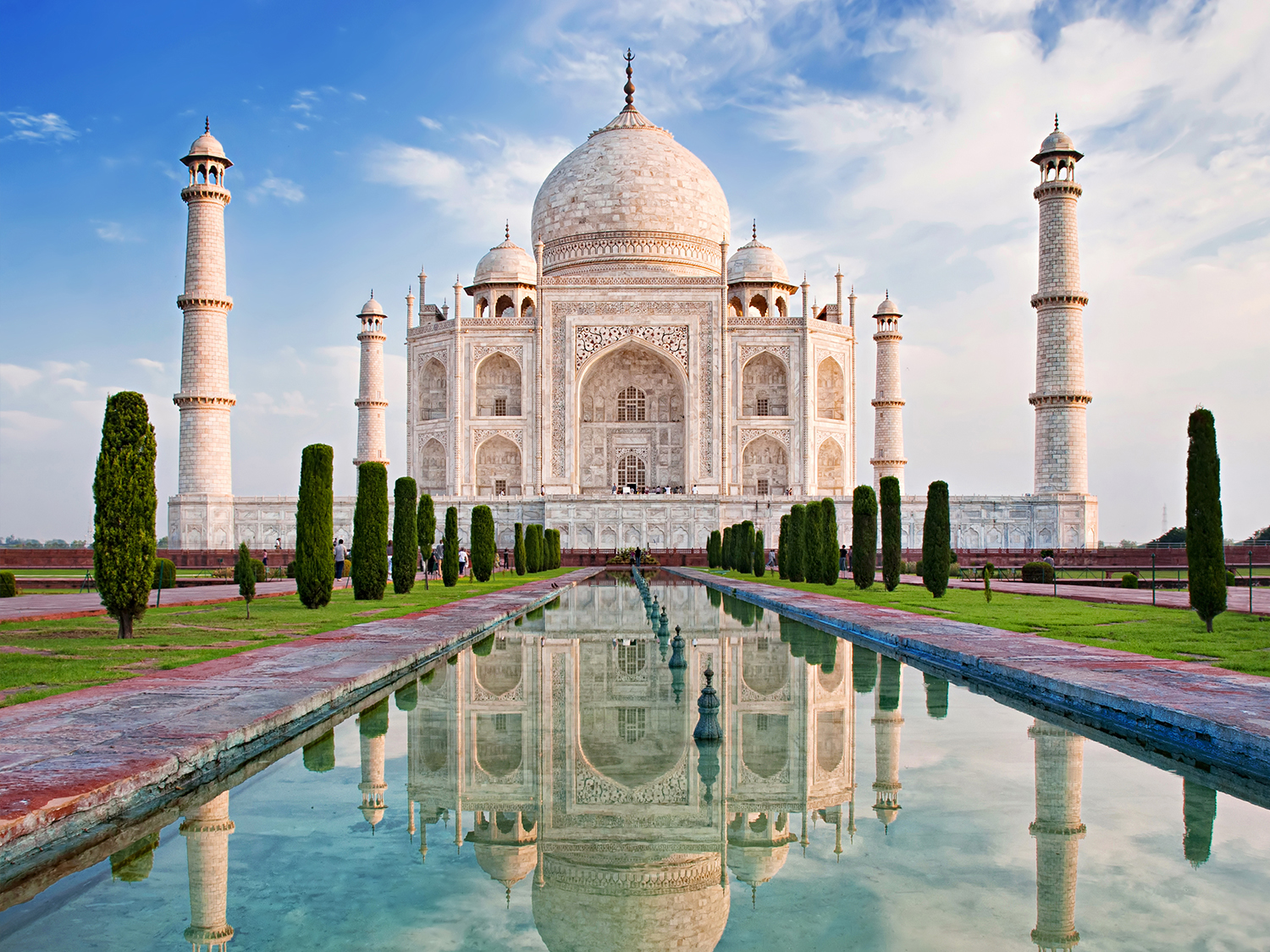
The crown jewel of Agra is undoubtedly the Taj Mahal — one of the Seven Wonders of the World — built by Emperor Shah Jahan in memory of his beloved wife Mumtaz Mahal. The monument’s white marble beauty, reflecting the changing hues of the day, continues to enchant visitors from across the globe.
Beyond the Taj Mahal, Agra is home to the massive Agra Fort, a UNESCO World Heritage Site, and the exquisite Itimad-ud-Daulah (Baby Taj), known for its intricate marble inlay work. Together with Delhi, it forms part of India’s famous Golden Triangle, offering a perfect blend of culture, heritage, and unforgettable experiences.